Myths vs. Facts: Everything You Need to Know About Menopause

Menopause is a natural stage in a woman’s life, yet it's surrounded by misinformation, fear, and stigma. From whispers about “the change” to dramatic portrayals in pop culture, it’s easy to develop a skewed view of what menopause actually is. That’s why understanding the difference between myths and facts is crucial—not just for women going through menopause, but for everyone who wants to support them.

Let’s dive into some of the most common myths about menopause and separate them from the truth.

Myth 1: Menopause Happens Suddenly

Fact: Menopause is a gradual process.

Menopause doesn't happen overnight. It typically unfolds in three stages:

  1. Perimenopause: This is the transition period that can begin several years before menopause. During this time, hormone levels start to fluctuate, causing symptoms like irregular periods, hot flashes, and mood swings.

  2. Menopause: Defined as the point when a woman hasn’t had a menstrual period for 12 consecutive months.

  3. Postmenopause: The years after menopause, when symptoms may ease for some but persist for others.

Perimenopause can last 4–8 years, making menopause more of a journey than a sudden event.

Myth 2: Menopause Only Affects Women in Their 50s

Fact: Menopause can occur earlier or later than expected.

While the average age for menopause in the U.S. is 51, it can occur any time between the ages of 40 and 58. Some women experience early menopause (before 45) or premature menopause (before 40), often due to genetics, medical treatments (like chemotherapy), or surgical removal of the ovaries.

Myth 3: Menopause Means You’re Old

Fact: Menopause marks a new phase of life, not the end of it.

Culturally, menopause is often linked with aging and decline, but that’s an outdated and harmful stereotype. Many women find freedom, confidence, and new energy post-menopause. With children grown and careers established, this can be a time of personal growth, travel, and rediscovery.

Myth 4: You’ll Definitely Gain Weight During Menopause

Fact: Weight gain is common, but not inevitable.

Hormonal changes during menopause can affect how your body stores fat—particularly around the abdomen. However, aging, slower metabolism, decreased physical activity, and dietary habits also contribute.

With mindful eating, regular exercise, and strength training, weight can be managed effectively. It’s less about blaming hormones and more about adjusting to the body’s changing needs.

Myth 5: Hot Flashes Are the Only Symptom

Fact: Menopause affects the entire body, not just temperature control.

Hot flashes are common, but they’re far from the only symptom. Women may experience:

  • Night sweats

  • Insomnia

  • Mood changes

  • Vaginal dryness

  • Decreased libido

  • Memory issues

  • Joint pain

  • Thinning hair or dry skin

Symptoms vary widely in type and intensity. Some women have very few, while others find them debilitating.

Myth 6: Hormone Replacement Therapy (HRT) Is Dangerous

Fact: HRT can be safe and effective for many women.

Hormone Replacement Therapy was once widely used to treat menopausal symptoms until a 2002 study raised concerns about increased risks of breast cancer, heart disease, and stroke. However, further research has clarified that for healthy women under 60 or within 10 years of menopause, HRT can be a safe and effective treatment.

It’s not for everyone, but when prescribed appropriately, it can drastically improve quality of life. Always consult a healthcare provider to weigh risks and benefits.

Myth 7: Menopause Ends Your Sex Life

Fact: Menopause changes sex, but doesn’t end it.

Some women experience vaginal dryness or decreased libido, but others find their sex lives improve once they’re no longer worried about pregnancy or monthly cycles.

Solutions like vaginal moisturizers, lubricants, or localized estrogen therapy can relieve discomfort. Open communication with a partner and a focus on emotional intimacy also play important roles.

Myth 8: You Don’t Need Birth Control During Perimenopause

Fact: You can still get pregnant during perimenopause.

Until you’ve gone 12 consecutive months without a period, pregnancy is still possible. Fertility declines with age, but it doesn’t disappear immediately.

If pregnancy isn’t desired, continue using contraception until menopause is confirmed. Also, remember that birth control doesn’t protect against STDs, so safe sex practices remain important.

Myth 9: All Women Go Through the Same Experience

Fact: Every woman’s menopause journey is unique.

Symptoms, timing, and emotional responses vary widely. Some breeze through menopause with barely a symptom; others face intense challenges. Culture, lifestyle, genetics, and health conditions all influence how menopause unfolds.

This is why support and empathy—rather than judgment or comparison—are essential.

Myth 10: Natural Remedies Always Work Better Than Medication

Fact: “Natural” doesn’t always mean safer or more effective.

Many women turn to herbs and supplements like black cohosh, red clover, or evening primrose oil to relieve symptoms. While some find relief, the effectiveness and safety of these treatments vary. Natural doesn’t always mean risk-free—some herbs can interact with medications or cause side effects.

It’s best to discuss any supplement with a healthcare provider, especially if you’re taking other medications or have underlying conditions.

The Emotional Side of Menopause

Beyond the physical, menopause can stir up a wide range of emotions—grief, anxiety, relief, empowerment. For some, it's a wake-up call; for others, a time of celebration. Counseling, mindfulness practices, and peer support can be invaluable.

You’re not alone. Talking about menopause—openly and without shame—helps normalize the experience and empower women to get the help they need.

Menopause is a complex, natural transition that deserves honest conversation and informed choices—not outdated myths. With the right information and support, women can navigate this phase of life with strength and confidence.

Knowledge is power. By busting the myths and embracing the facts, we move closer to a world where menopause is respected, understood, and approached with compassion.

Natural Contraception: Safe and Effective Options?

 Contraception is a crucial aspect of reproductive health, allowing individuals and couples to plan pregnancies and maintain their overall well-being. While modern medicine offers various birth control methods, such as hormonal pills, intrauterine devices (IUDs), and implants, many people are interested in natural contraception methods due to concerns about side effects, personal beliefs, or a desire for a more holistic approach to family planning.

But how safe and effective are natural contraception methods? This article explores the most common natural birth control options, their effectiveness, benefits, and challenges.

What Is Natural Contraception?

Natural contraception, also known as fertility awareness-based methods (FABMs) or natural family planning (NFP), involves tracking a woman’s menstrual cycle to determine fertile and infertile days. Couples can use this information to either avoid or achieve pregnancy without relying on hormonal or medical interventions.

While natural contraception can be highly effective when practiced correctly, it requires commitment, discipline, and education about one’s body. The success of these methods largely depends on consistency and accuracy in tracking fertility signs.

Common Natural Contraception Methods

1. Calendar Method (Rhythm Method)
The calendar method involves tracking menstrual cycles over several months to predict ovulation and determine fertile days. Women with regular cycles can estimate their fertile window and avoid unprotected intercourse during that time.
  • How It Works:

    • Track your menstrual cycle for at least six months.
    • Identify the shortest and longest cycles.
    • Calculate the fertile window by subtracting 18 days from the shortest cycle and 11 days from the longest cycle.
    • Avoid intercourse or use barrier protection during the fertile days.
  • Effectiveness: Around 76% to 88% effective with typical use.

  • Pros:

    • Non-invasive and hormone-free.
    • No additional costs involved.
    • Can be combined with other methods for better accuracy.
  • Cons:

    • Less reliable for women with irregular cycles.
    • Requires diligent tracking.
    • Can be disrupted by stress, illness, or lifestyle changes.
2. Cervical Mucus Method (Billings Ovulation Method)

This method involves observing changes in cervical mucus throughout the menstrual cycle to determine fertility. Cervical mucus changes in consistency and volume as ovulation approaches.

  • How It Works:

    • Check cervical mucus daily by wiping the vaginal area or observing mucus on underwear.
    • Fertile mucus is clear, stretchy, and resembles raw egg whites.
    • Avoid unprotected sex from the first sign of fertile mucus until three days after peak mucus production.
  • Effectiveness: Around 77% to 97% effective, depending on accuracy and consistency.

  • Pros:

    • No medical intervention required.
    • Helps women understand their reproductive health.
    • Can be used to achieve pregnancy as well.
  • Cons:

    • Requires daily observation and consistency.
    • External factors like infections, medication, or stress can affect mucus patterns.
    • May be difficult for women with irregular cycles or PCOS.
3. Basal Body Temperature (BBT) Method

BBT refers to the body's temperature at rest. A slight increase in temperature occurs after ovulation due to hormonal changes, which can be tracked to identify fertile and infertile days.

  • How It Works:

    • Use a basal thermometer to measure body temperature every morning before getting out of bed.
    • Record temperature readings daily.
    • Look for a sustained temperature rise of about 0.5°F to 1°F, which signals ovulation has occurred.
    • Avoid unprotected intercourse for several days before and after ovulation.
  • Effectiveness: Around 75% to 99% effective when used correctly.

  • Pros:

    • Provides clear ovulation confirmation.
    • Useful for women trying to conceive.
    • No side effects or medical interventions.
  • Cons:

    • Requires daily tracking and precision.
    • Temperature changes can be influenced by illness, lack of sleep, alcohol, or stress.
    • Cannot predict ovulation in advance, only confirms after it has occurred.
4. Withdrawal Method (Pull-Out Method)

The withdrawal method involves the male partner withdrawing before ejaculation to prevent sperm from entering the vagina.

  • How It Works:

    • The male partner must have good self-control and withdraw before ejaculation.
    • This method can be combined with other forms of contraception for better effectiveness.
  • Effectiveness: Around 78% effective with typical use, but 96% effective with perfect use.

  • Pros:

    • No medical or hormonal side effects.
    • No cost involved.
    • Readily available and easy to use.
  • Cons:

    • Requires great control and timing.
    • Some sperm may be present in pre-ejaculatory fluid.
    • Not highly reliable compared to other methods.
5. Lactational Amenorrhea Method (LAM)

Breastfeeding can act as a temporary method of birth control by naturally suppressing ovulation. However, it is only effective under certain conditions.

  • How It Works:

    • Must be exclusively breastfeeding (no formula or solid food).
    • The baby must be under 6 months old.
    • The mother should not have resumed menstruation.
  • Effectiveness: Around 98% effective under strict conditions.

  • Pros:

    • Natural and non-invasive.
    • Provides additional health benefits for mother and baby.
    • No cost involved.
  • Cons:

    • Only works for a limited time.
    • Effectiveness decreases if breastfeeding frequency is reduced.
    • Once menstruation returns, another method is needed.
How Effective Is Natural Contraception?

The effectiveness of natural contraception methods depends on how consistently and correctly they are practiced. Studies show that with perfect use, these methods can be up to 99% effective. However, with typical use (including human error), effectiveness rates drop to 75%–88% for most methods.

To improve effectiveness:

  • Combine multiple methods (e.g., BBT + Cervical Mucus Method).
  • Avoid unprotected sex during the fertile window.
  • Use barrier methods, such as condoms, for added protection.

Benefits of Natural Contraception

  • No Hormonal Side Effects: Many women prefer natural methods to avoid potential side effects of hormonal contraceptives.
  • Cost-Effective: No ongoing medical expenses or prescriptions needed.
  • Empowers Women: Encourages body awareness and a deeper understanding of reproductive health.
  • Eco-Friendly: No waste from hormonal pills, patches, or plastic packaging.

Challenges and Risks

  • Requires Commitment: Daily tracking and strict discipline are necessary for effectiveness.
  • Not Suitable for Everyone: Women with irregular cycles may find it difficult to predict ovulation.
  • Higher Risk of Unintended Pregnancy: Less reliable than hormonal or medical contraceptive methods.

Final Thoughts: Is Natural Contraception Right for You?

Natural contraception can be a safe and effective choice for women who are committed to learning and consistently applying fertility awareness methods. However, it may not be ideal for those who prefer a more convenient or foolproof method.

If considering natural contraception, consult a healthcare provider or fertility expert to determine the best approach for your lifestyle and reproductive goals. By understanding the pros and cons, women can make informed choices that align with their health, beliefs, and family planning needs.

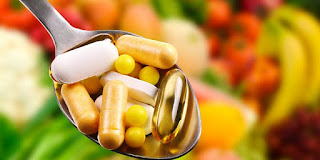
For Women Health Supplements Can Help Treat Specific Conditions

For Women Health Supplements
In today’s fast-paced world, women are often juggling multiple roles—career, family, and personal commitments—all while trying to maintain their health. However, achieving optimal health can be a challenge, especially when specific conditions arise that require targeted care. This is where health supplements can play a vital role.

Health supplements are designed to bridge the gap between dietary intake and the body’s needs, offering support for overall wellness as well as specific medical conditions. For women, these supplements can address unique challenges such as hormonal imbalances, bone health, reproductive health, and more. Let’s explore how supplements can help women treat specific health conditions and promote better well-being.

Why Supplements Are Important for Women

While a balanced diet and a healthy lifestyle are fundamental to good health, certain factors may create gaps that even the best diet cannot fill. For women, these factors can include:

  • Hormonal Changes: Life stages such as menstruation, pregnancy, breastfeeding, and menopause bring significant hormonal fluctuations that can impact nutrient needs.
  • Bone Health Risks: Women are more prone to conditions like osteoporosis due to reduced estrogen levels as they age.
  • Reproductive Health Needs: Fertility, pregnancy, and postpartum recovery often require additional nutritional support.
  • Chronic Stress: Busy lifestyles can lead to stress, which depletes essential nutrients and impacts overall health.

Supplements provide a practical way to address these challenges, ensuring the body gets the nutrients it needs to function optimally.

Key Supplements for Women’s Health

1. Calcium and Vitamin D: Supporting Bone Health

One of the most common health concerns for women is osteoporosis, a condition that weakens bones and makes them prone to fractures. This risk increases after menopause due to declining estrogen levels.

  • How They Help:
    Calcium is essential for building and maintaining strong bones, while vitamin D helps the body absorb calcium effectively.
  • Who Needs It:
    Women of all ages, especially those nearing menopause or with a family history of osteoporosis.

2. Iron: Addressing Anemia

Iron deficiency anemia is particularly common in women due to menstruation, pregnancy, and postpartum recovery. Symptoms include fatigue, weakness, and pale skin.

  • How It Helps:
    Iron supplements replenish the body’s iron stores, improving energy levels and overall health.
  • Who Needs It:
    Women with heavy periods, pregnant women, and those diagnosed with anemia.

3. Folic Acid: Supporting Pregnancy and Beyond

Folic acid, a B-vitamin, is crucial for women of childbearing age, especially those planning to conceive or who are already pregnant.

  • How It Helps:
    Folic acid prevents neural tube defects in developing fetuses and supports cell growth and development.
  • Who Needs It:
    All women of reproductive age, particularly those trying to conceive or in the early stages of pregnancy.

4. Omega-3 Fatty Acids: Promoting Heart and Brain Health

Cardiovascular disease is a leading cause of death among women, but omega-3 fatty acids can help mitigate this risk.

  • How They Help:
    Omega-3s reduce inflammation, improve heart health, and support cognitive function.
  • Who Needs It:
    Women at risk of heart disease or those seeking overall cardiovascular support.

5. Magnesium: Managing Stress and Muscle Health

Magnesium is essential for over 300 biochemical reactions in the body, yet many women are deficient in this vital mineral.

  • How It Helps:
    Magnesium supports muscle function, reduces stress, improves sleep quality, and alleviates menstrual cramps.
  • Who Needs It:
    Women experiencing stress, sleep disturbances, or PMS symptoms.

6. Probiotics: Supporting Gut and Vaginal Health

Gut health is central to overall wellness, and probiotics can play a key role in maintaining a healthy microbiome.

  • How They Help:
    Probiotics promote digestive health, boost immunity, and prevent vaginal infections such as bacterial vaginosis and yeast infections.
  • Who Needs It:
    Women prone to digestive issues or recurrent vaginal infections.

7. Collagen: Enhancing Skin, Hair, and Joint Health

As women age, collagen production declines, leading to wrinkles, joint pain, and weaker hair.

  • How It Helps:
    Collagen supplements improve skin elasticity, strengthen hair and nails, and support joint health.
  • Who Needs It:
    Women concerned about aging or experiencing joint discomfort.

8. Vitamin B12: Boosting Energy and Nervous System Health

Vitamin B12 deficiency can lead to fatigue, nerve issues, and memory problems, especially in women following vegetarian or vegan diets.

  • How It Helps:
    B12 supports red blood cell formation, energy production, and neurological health.
  • Who Needs It:
    Women with dietary restrictions or those experiencing fatigue and brain fog.

Conditions That Supplements Can Address

Hormonal Imbalances

Supplements such as evening primrose oil, vitamin E, and magnesium can help regulate hormones and alleviate symptoms like mood swings, hot flashes, and irregular periods.

Reproductive Health

For women facing fertility challenges, supplements like CoQ10, folic acid, and zinc can improve egg quality and reproductive health.

Chronic Stress and Fatigue

Adaptogenic herbs like ashwagandha and rhodiola, along with magnesium and vitamin B-complex, are effective in managing stress and improving energy levels.

Skin and Hair Concerns

Collagen, biotin, and vitamin C are popular supplements for promoting healthy skin and hair.

Choosing the Right Supplements

With so many options available, choosing the right supplements can feel overwhelming. Here are some tips to guide you:

  1. Consult Your Doctor: Always talk to your healthcare provider before starting any new supplement, especially if you’re pregnant, breastfeeding, or managing a medical condition.
  2. Read Labels Carefully: Look for supplements that are third-party tested and free from unnecessary additives.
  3. Opt for High-Quality Brands: Reputable brands ensure better absorption and efficacy.

Risks and Precautions

While supplements can offer significant health benefits, overuse or misuse can lead to adverse effects. For example, excessive iron can cause digestive issues, and too much vitamin D can result in calcium buildup in the blood.

Always adhere to recommended dosages and avoid self-diagnosing or self-treating health conditions with supplements.

Incorporating Supplements into Your Routine

Supplements work best when paired with a healthy lifestyle. Here’s how to make the most of them:

  • Maintain a Balanced Diet: Supplements should complement—not replace—a nutritious diet.
  • Exercise Regularly: Physical activity supports overall health and enhances the efficacy of certain supplements.
  • Stay Hydrated: Proper hydration aids in nutrient absorption.

Final Thoughts

Health supplements can be a valuable tool for addressing specific conditions and supporting overall wellness in women. Whether you’re dealing with hormonal changes, bone health concerns, or simply looking to enhance your energy levels, the right supplements can make a significant difference.

However, it’s important to approach supplementation thoughtfully, consulting with healthcare providers to ensure safe and effective use. By combining supplements with a balanced lifestyle, women can take proactive steps toward achieving optimal health and well-being.